The Ultimate Guide to Lightweight Enduro Bikes 2026
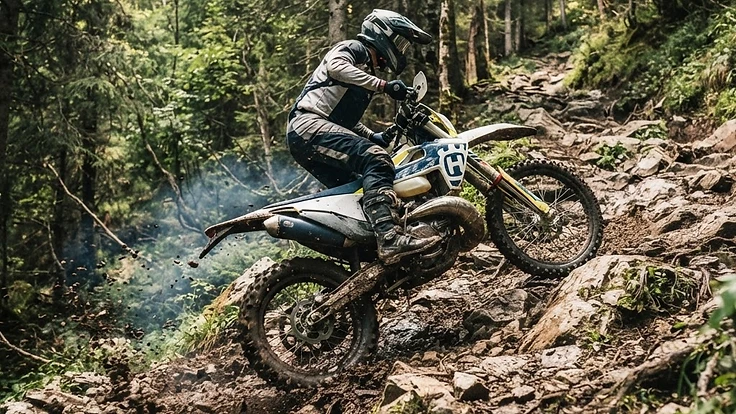
Searching for the lightest enduro bikes 2026 has to offer? Discover our comprehensive guide on lightweight woods weapons for dominating hard technical trails.
By Enduro University Desk.
If you want to conquer steep rock gardens and survive six-hour technical trail rides, you need to be looking at the lightest enduro bikes 2026 has to offer. In the tight woods, every single kilogram matters. When you are physically lifting the rear wheel out of a deep rut or attempting to maintain traction on a near-vertical sidehill, excess mass drains your energy rapidly. Riders often spend thousands of dollars on titanium bolts and lightweight exhaust systems just to shave a few hundred grams. However, starting with a heavily engineered, lightweight platform is the most effective strategy. This comprehensive guide breaks down the lowest-weight woods weapons available this year, analyzing how they perform in real-world technical riding scenarios and why scale weight is only one part of the overall handling equation.
The Physics of Weight in Technical Enduro
When discussing dirt bike weight, riders frequently focus purely on the static weight printed on the specification sheet. While a low static weight is highly beneficial when you are picking the motorcycle up off the ground after a crash, how the motorcycle feels while the engine is running is entirely different. This is dictated by rotational mass and unsprung weight. Unsprung weight includes everything not supported by the suspension springs—primarily the wheels, tires, brakes, and lower fork legs. Keeping unsprung mass low ensures the suspension can react quickly to rocks and roots, keeping the tires planted for maximum traction.
Rotational mass, however, is generated by spinning engine components like the crankshaft, clutch, and flywheel. As these parts spin, they create a gyroscopic effect that resists leaning and turning. Two-stroke engines generally feel significantly lighter and more agile on the trail than four-strokes of identical static weights simply because they have fewer moving parts—no heavy cams, timing chains, or massive valves spinning high up in the cylinder head. When evaluating the lightest available options on the market, understanding this dynamic relationship between static scale mass and gyroscopic inertia will help you pick the correct tool for the specific terrain you ride.
The Lightweight Elite: Small-Bore Machines
For absolute minimum mass, the small-bore two-stroke category remains completely unmatched. These motorcycles are designed specifically for hard enduro practitioners who prioritize agility and minimal physical exertion over outright top speed or open-desert stability. Leading this category is the Husqvarna TE 150. Weighing an incredibly low 100.2 kg (without fuel), this 144 cc machine costs $10249. The TE 150 requires a highly active riding style. Because it lacks the low-end torque of larger displacement engines, riders must use precise clutch manipulation and maintain momentum to carry speed through technical sections. If you want to dive deeper into this technique, read our guide on Momentum Over Muscle: Mastering Hard Enduro on the 2025 GASGAS EC 250 and Husqvarna TE 150. The advantage of the weight is profound when attempting difficult maneuvers. For instance, executing a pivot turn on a tight switchback requires far less physical input. For tips on this maneuver, check out Mastering the Technical Pivot Turn: The Ultimate Hard Enduro Lifeline.
Stepping slightly up in displacement, the GASGAS EC 250 (previously listed here as GasGas EC 200) offers an exceptional middle ground. Weighing 107.6 kg (without fuel), this 249 cc machine has an MSRP of $10499. The additional displacement over the 150 class provides a noticeable increase in lugging capability, allowing riders to short-shift and rely on engine torque rather than constant clutch slipping. This bike appeals directly to intermediate riders who want the featherweight handling characteristics of a small-bore bike but need a larger safety net when attempting steep, low-speed climbs.
Middleweight Champions: 250cc to 300cc Two-Strokes
The 300cc two-stroke is the undisputed default choice for global hard enduro, and for good reason. These engines provide massive, tractor-like torque right off idle, yet the overall vehicle weight remains remarkably low. An absolute standout in the lightweight category this year is the Rieju MR 300 Racing. Weighing just 105 kg (dry), this 299.3 cc machine is sold in the US, with its 2025 list price not confirmed. Rieju has focused on delivering raw, proven two-stroke performance without unnecessary electronic complexity, resulting in a robust, low-weight package ideal for privateer racers.
If you are looking for advanced fuel injection and integration, the KTM 250 EXC comes in at 104.6 kg (without fuel). Featuring a 249 cc powerplant, the 250 is sold in the US as the 250 XC-W for $11,199. The 250 offers slightly less rotational mass than a 300, making it feel just a fraction more nimble in rapid side-to-side transitions through dense trees. Riders often debate the necessity of the 300cc engine over a 250cc. While the KTM 250 EXC provides a slightly quicker revving engine character that feels frantic and race-oriented, the 300cc platform allows you to utilize a much lower RPM range. Lugging the engine prevents rear-wheel spin. When navigating slick, root-infested off-camber climbs, the ability to rely on low-end torque rather than clutch manipulation saves massive amounts of physical energy. This makes the larger displacement highly versatile.
For premium hard enduro applications, the Beta 300 RR Race weighs 103.5 kg (dry). This 292.6 cc engine is priced at $10699. The 'Race' designation indicates upgraded suspension components and specific tuning meant to handle aggressive impacts while maintaining a light, flickable nature. The Sherco 300 SEF Factory is another viable option. Listed as a 4-Stroke for 2025, it utilizes a 303.7 cc engine. With a US list of $12499, it maintains excellent mass centralization. For a full breakdown of the 300 class, read our 2026 300cc Shootout: Which Bike Dominates Hard Enduro?.
The Four-Stroke Compromise
While two-strokes rule the lightweight scales, modern four-strokes have shed massive amounts of weight over the past decade. Four-strokes provide distinct advantages in linear power delivery and high-speed traction. If your riding environment includes flowing two-track trails, open hill climbs, or loamy soil where horsepower and traction are paramount, a modern four-stroke might offset its slight weight penalty. In the modern era, fuel injection and aggressive chassis design allow four-strokes to compete aggressively in technical riding.
The KTM 350 EXC-F weighs 107 kg (without fuel, international spec). Providing a 349.7 cc engine, with an MSRP of $12649, the 350 is specifically engineered to bridge the gap between 250cc agility and 450cc power. It is heavily favored by riders who participate in mixed-discipline events. If a race features fifty miles of high-speed desert whoops followed by a ten-mile hard enduro canyon, the 350 provides the suspension stability and straight-line speed to dominate the fast sections, while remaining manageable enough for the technical rocks.
The Honda CRF450RX also enters the conversation at 116.1 kg (curb, full tank). For a massive 449.8 cc engine ($9999), it is an impressive engineering feat. Note that weights are measured differently, making them not directly comparable. However, due to the massive rotational inertia of a 450cc crankshaft, the Honda will feel significantly heavier and require more physical effort to redirect on a tight trail than the static weight suggests. Engine braking is also a factor you must manage. A four-stroke chassis pitches forward aggressively when the throttle is closed due to engine compression braking, demanding higher physical grip strength from the rider on long descents compared to a freewheeling two-stroke. To better understand this dynamic, review 300 Two-Stroke or 350 Four-Stroke? The Reality of Technical Enduro.
2026 Lightweight Enduro Bike Comparison
| Model | Engine Type | Displacement | Weight | Price | | :--- | :--- | :--- | :--- | :--- | | Husqvarna TE 150 | 2-Stroke | 144 cc | 100.2 kg (without fuel) | $10249 | | GASGAS EC 250 | 2-Stroke | 249 cc | 107.6 kg (without fuel) | $10499 | | Rieju MR 300 Racing | 2-Stroke | 299.3 cc | 105 kg (dry) | Not confirmed | | KTM 250 EXC | 2-Stroke | 249 cc | 104.6 kg (without fuel) | $11,199 (as 250 XC-W) | | Beta 300 RR Race | Hard Enduro | 292.6 cc | 103.5 kg (dry) | $10699 | | Sherco 300 SEF Factory | 4-Stroke | 303.7 cc | Weight not verified | $12499 | | KTM 350 EXC-F | 4-Stroke | 349.7 cc | 107 kg (without fuel, international spec) | $12649 | | Honda CRF450RX | 4-Stroke | 449.8 cc | 116.1 kg (curb, full tank) | $9999 |
Setup Strategies for Lightweight Bikes
Purchasing one of the lightweight options from the list above is only the first step. Proper setup determines whether that low mass actually translates to better handling on the dirt. Suspension must be properly sprung for your specific weight. Because the motorcycle itself is so light, the ratio of rider weight to vehicle weight is higher than on a heavier bike. This means your body position and body weight have a much more drastic impact on chassis behavior. If you weigh more than the manufacturer's target rider weight, upgrading springs is absolutely critical to prevent the suspension from riding too low in the stroke.
Traction is another critical area. A lightweight bike requires specialized rubber to transmit its power efficiently, particularly in technical terrain. Upgrading to soft, gummy enduro tires is highly recommended. Expect to pay approx. $100–140 per tire. Pairing these tires with a high-quality foam mousse insert allows you to run extremely low tire pressures without the risk of pinch flats, drastically increasing your contact patch over wet logs and jagged rocks. Keep in mind that heavy-duty tubes and dense mousse inserts add unsprung mass, so you must carefully evaluate the trade-off between absolute puncture protection and retaining the nimble feel of your wheels.
Protecting a lightweight bike is a delicate balance. You want to shield the vital engine components from rock strikes, but bolting on heavy armor defeats the purpose of buying a lightweight machine. Select high-density polyethylene (HDPE) skid plates over thick aluminum versions. HDPE glides over rocks effortlessly and weighs significantly less. Radiator guards are practically mandatory for hard enduro survival, costing approx. $150–250, but look for minimalist, structural designs rather than heavy cage systems. Protect your own body properly as well by referencing our Armor Up: The Essential Checklist for Technical Enduro Trails guide.
Frequently Asked Questions
What is the lightest enduro bike available in 2026?
Based on our data, the Husqvarna TE 150 holds the crown for absolute lowest scale mass, tipping the scales at precisely 100.2 kg (without fuel). This 144 cc two-stroke requires aggressive clutch work but offers unmatched agility in dense woods and steep terrain.
Why do two-stroke enduro bikes feel lighter than four-strokes of the same weight?
The perceived weight of a motorcycle while riding is heavily influenced by the gyroscopic inertia of its internal engine components. Four-stroke engines contain heavy spinning cams, timing chains, and larger crank masses, which resist directional changes and make the bike feel heavier on the trail compared to a two-stroke.
Are lightweight enduro bikes suitable for taller or heavier riders?
Yes, but suspension modifications are mandatory. Because the vehicle mass is low, a heavier rider will drastically alter the bike's geometry. Installing stiffer springs and re-valving the suspension ensures the motorcycle remains stable and maintains correct ground clearance over obstacles.
Does reducing unsprung weight really make a difference?
Absolutely. Reducing weight at the wheels—such as using lighter tires, rims, or brake rotors—has a far greater impact on handling and acceleration than stripping static weight from the frame. Less unsprung mass allows the suspension to track rough ground much faster, improving traction and control.
Is it worth sacrificing horsepower to get a lighter motorcycle?
In hard enduro and technical woods riding, yes. High horsepower is rarely usable on single-track trails filled with rocks and roots. A lighter, less powerful bike reduces physical fatigue, allowing you to ride faster and safer over a multi-hour session than you would on a heavy, powerful machine.
Keep Reading


Join the Enduro University community
Create a free account to comment on this article, make race predictions, play daily trivia, build your virtual garage, enter the photo contest and climb the leaderboards.
Related Stories



Comments (0)
Be the first to comment.