300 Two-Stroke or 350 Four-Stroke? The Reality of Technical Enduro
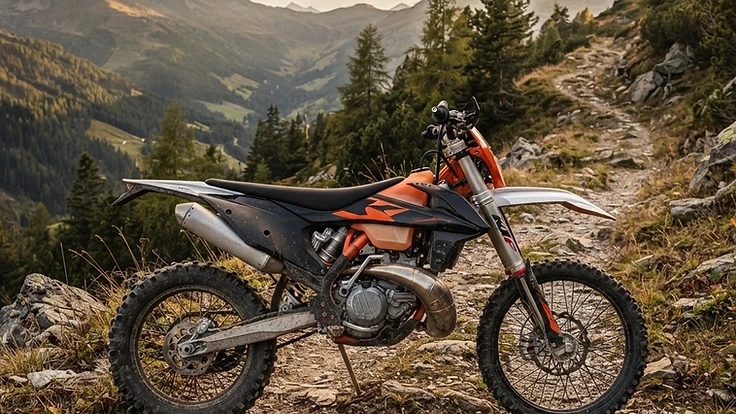
Engine architecture and gyroscopic mass influence your performance when the trails get challenging and traction becomes everything.
The eternal debate between two-stroke and four-stroke machinery continues to dominate paddock conversations across the global off-road community. As technical trails become increasingly demanding and course designers introduce more extreme elements, selecting the right engine architecture is critical for rider success and fatigue management. Riders are constantly evaluating whether the lightweight agility of a premix burner or the planted traction of a thumper will yield better results on race day. Historically, the dividing line was clear. Two-strokes were the undisputed kings of extreme and hard enduro, favored for their power delivery and lack of engine braking, which allowed riders to hop over massive obstacles with relative ease. Four-strokes, conversely, were the weapons of choice for traditional timecard enduros, cross-country racing, and fast, flowing terrain where their linear power curves and predictable rear-wheel hookup provided a distinct advantage. However, modern engineering has blurred these lines significantly. Fuel injection, advanced engine management systems, and sophisticated chassis designs have made both platforms incredibly versatile, forcing riders to look closely at the specific characteristics of each machine before making a purchase decision. To understand the current landscape, we must examine two of the most popular displacements in the off-road sector: the 300cc two-stroke and the 350cc four-stroke. Looking at the 2025 catalog, the KTM 300 EXC (previously listed here as KTM 300 EXC TPI) and the KTM 350 EXC-F serve as perfect case studies for this comparison. The KTM 300 EXC arrives with a 293.2 cc two-stroke powerplant packaged in a chassis that tips the scales at 104.6 kg (without fuel). It is sold in the US as the 300 XC-W ($11,599). On the other side of the aisle, the KTM 350 EXC-F utilizes a 349.7 cc four-stroke engine carrying a weight of 107 kg (without fuel, international spec), and commands a US list price of $12649. These exact specifications highlight the fundamental differences in design philosophy and intended application. The most immediate difference felt on the trail is the weight disparity. While the 2.4 kg difference between the 104.6 kg (without fuel) two-stroke and the 107 kg (without fuel, international spec) four-stroke might not sound massive on paper, the dynamic weight tells a completely different story. The four-stroke engine contains more moving parts, including cams, valves, and a heavier crankshaft, which creates additional gyroscopic mass. This mass makes the 350 EXC-F feel incredibly stable at high speeds, resisting deflection when charging through rock gardens or braking bumps. The chassis stays planted, and the suspension can work efficiently to absorb impacts. However, this same gyroscopic effect means the motorcycle requires more physical input from the rider to change direction quickly in tight, technical woods. Conversely, the KTM 300 EXC feels significantly lighter than its 104.6 kg static weight suggests. The lack of heavy rotating mass in the cylinder head allows the two-stroke to pivot effortlessly around the rider's center of gravity. When navigating a tight switchback or attempting a pivot turn on a steep incline, the 300cc machine responds instantly to subtle body movements. This agility is a massive advantage in hard enduro scenarios where riders must constantly reposition the motorcycle at near-zero speeds. The front end is easier to loft over logs, and the overall physical toll on the rider is reduced when wrestling the bike through relentless technical sections. Power delivery is the next critical factor. The power of the 300 EXC is delivered with the characteristic snap of a two-stroke, though modern throttle-body injection has smoothed the curve considerably compared to carbureted models of the past. This instantaneous power is essential for splatter techniques, where a rider needs to launch the motorcycle up a vertical rock face with minimal run-up. A quick flick of the clutch sends immediate thrust to the rear wheel. However, this aggressive power delivery requires precise throttle control. In slick, muddy conditions, an undisciplined throttle hand will quickly break traction, resulting in wheelspin and lost momentum. The KTM 350 EXC-F takes a completely different approach to generating forward momentum. The four-stroke engine delivers power to the ground in a highly tractable, linear fashion. Every power stroke is followed by three non-power strokes, allowing the rear tire to find grip in situations where a two-stroke might struggle. This predictable traction is invaluable on long, off-camber climbs or when navigating slick, root-infested trails. The engine braking inherent to the four-stroke design also assists in controlling descents, allowing the rider to rely less on the brakes and maintain a smoother flow down steep hills. Maintenance and long-term ownership costs also factor into the decision-making process. The two-stroke architecture remains simpler, with fewer moving parts to service. Top-end rebuilds are generally less expensive and can often be performed by the average home mechanic with basic tools. The four-stroke requires more diligent maintenance regarding valve clearances and oil changes, and a catastrophic engine failure will undoubtedly result in a higher repair bill. However, modern four-strokes have proven to be incredibly reliable when properly maintained, often logging hundreds of hours before requiring major internal service. Ultimately, the choice between the 300cc two-stroke and the 350cc four-stroke comes down to the specific terrain you ride and your personal riding style. If your weekends consist of searching for the nastiest, most technical canyons, lifting the bike over massive logs, and attempting near-vertical climbs, the lightweight agility and power of the KTM 300 EXC make it the superior tool for the job. Its ability to pivot and launch from a standstill is unmatched. If, however, your riding involves a mix of flowing singletrack, high-speed desert washes, and long days in the saddle where fatigue management and predictable traction are paramount, the KTM 350 EXC-F is incredibly difficult to beat. The planted feel of the chassis and the linear power delivery allow riders to maintain a blistering pace with less physical exertion over extended periods. Both machines represent the pinnacle of modern off-road engineering, offering distinct advantages that cater to different aspects of the enduro spectrum. Understanding these nuances is the first step in selecting the motorcycle that will elevate your riding experience and help you conquer the trails ahead.
Keep Reading


Join the Enduro University community
Create a free account to comment on this article, make race predictions, play daily trivia, build your virtual garage, enter the photo contest and climb the leaderboards.
Related Stories





Comments (0)
Be the first to comment.