Your First Enduro Bike: A Complete Buyer's Guide
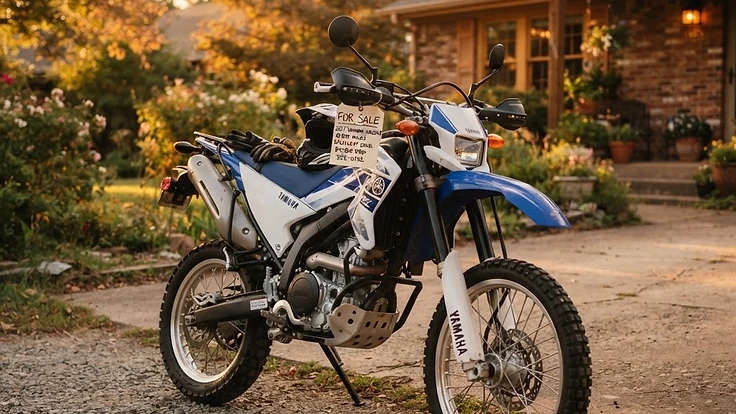
A practical, step-by-step guide to choosing your first enduro bike the right way: engine size, bike type, used-bike inspection, setup, and the mistakes that cost new riders time and money.
Your first enduro bike should make you ride more, not scare you, stall you, or empty your wallet. The right bike is not the fastest one on paper; it is the one you can pick up, turn, start, and control when you are tired on a rocky climb.
Start With Your Real Riding
Before you look at bikes, define what you will actually do in the next 12 months.
Work through this in order:
- Terrain: Tight woods, rocky climbs, open trails, sand, or mixed riding?
- Pace: Casual trail rides, local enduros, or you want to learn hard enduro skills?
- Ride length: One-hour blasts or full-day rides?
- Maintenance appetite: Do you enjoy wrenching, or do you want simple and predictable?
- Your size and fitness: Be honest. Strength and cardio matter in enduro.
This matters because a bike that feels good in a parking lot can feel terrible three hours into a technical ride. For most first-time buyers, lighter and calmer beats bigger and more powerful.
Also, buy an enduro bike, not a motocross bike you plan to convert later. A proper enduro model usually gives you a wide-ratio gearbox, softer suspension, a larger fuel tank, a kickstand, better cooling control, and friendlier power. Those things matter on the trail.
Pick the Right Engine Size and Type
Most first-bike mistakes happen here.
Two-stroke or four-stroke?
- Two-stroke: Lighter feel, simpler top-end maintenance, strong low-speed recovery when set up well, easier to manhandle in technical terrain.
- Four-stroke: Smoother traction, less mixing fuss, often easier for riders who like to short-shift and tractor, but usually heavier-feeling and more expensive when major engine work comes.
Neither is automatically better. For true enduro use, especially tighter and rougher terrain, many riders learn faster on a lighter-feeling bike.
What size actually makes sense?
For most adult beginners, these are the sensible starting points:
- 125/150 two-stroke: Great if you are lighter, younger, or committed to learning clutch work and momentum. Fun, but they demand more revs and more precise riding.
- 200/250 two-stroke: The sweet spot for many first enduro riders. Enough power to grow into, light enough to save energy, and usually less intimidating than bigger bikes.
- 300 two-stroke: Very common in enduro for good reason, but not automatically the best first choice. They can be excellent if mellowed out and ridden with discipline, but they will punish sloppy throttle habits.
- 250 four-stroke: A strong beginner option if you prefer smooth delivery and easier traction feel.
- 350 four-stroke: Good for larger riders or more open terrain, but only if the added feel of weight does not wear you out.
- 450 four-stroke: Usually too much for a first enduro bike. They feel heavy in technical riding and magnify mistakes.
If you are unsure, start one step smaller than your ego wants.
Choose Weight and Chassis You Can Manage
In enduro, weight is not a spec-sheet issue. It is energy. Every extra kilo shows up when you dab in a rut, drag the rear around a switchback, or pick the bike up on a hill.
Use this test: if you cannot easily lift the bike off the stand, roll it around, lean it side to side, and imagine doing that when tired, it is probably too much bike.
Then check fit:
- You do not need both feet flat on the ground.
- You do need to comfortably get one good foot down and move around the bike.
- Standing position matters more than seated comfort. When you stand, the bike should let you stay neutral without feeling cramped.
Shorter riders often make the mistake of chasing a very low bike. Lowering can help, but too much can ruin ground clearance and handling. A better first move is correct sag, bar position, and a lower seat if needed.
New or Used?
If your budget is normal, a good used enduro bike is usually the smart buy.
A new bike gives you a clean starting point, but many first-time owners drop, scratch, and change things while they learn. A used bike with a solid service history can save you money for gear, protection, tires, and suspension setup.
Look for this:
- Proof of maintenance
- Original parts included if it has been modified
- A seller who can answer simple questions directly
- Signs of regular care, not just fresh plastics
Walk away from bikes with vague stories, inconsistent wear, or lots of performance parts but no maintenance records. A shiny bike can still be a tired bike.
The 10-Minute Inspection
When you see a bike, do this before you get excited.
- Cold start: Ask the seller not to warm it up first. A bike that starts cleanly from cold tells you a lot.
- Listen at idle: Rattles, knocks, hanging idle, smoke that does not clear, or fan running constantly are warnings.
- Check for leaks: Fork seals, shock, coolant stains, countershaft area, and around engine cases.
- Look at wear patterns: Sharp teeth on sprockets, hooked chain, worn frame rails, sloppy footpegs, and hammered rims show hard use.
- Grab the wheels and linkage: Feel for play in wheel bearings, steering head, and swingarm/linkage.
- Inspect the air filter: If the filter and airbox are dirty, assume the rest of the maintenance may be sloppy too.
- Check radiators and guards: Bent radiators and crushed pipes are normal-ish trail scars; badly twisted mounting points suggest bigger hits.
- Test the clutch and gearbox: Smooth engagement, no dragging, no jumping out of gear.
- Check brakes: Solid lever feel, rotor wear, and pad life.
- Read the overall bike: Matching wear is normal. A bike with new plastics and terrible controls, bearings, and chain is usually being dressed up for sale.
If possible, bring a friend who rides and is not emotionally invested.
Budget Beyond the Purchase Price
Do not spend your full budget on the bike.
Hold money back for:
- Helmet, boots, knee protection, and body protection
- Fresh tires suited to your terrain
- Basic guards: handguards, skid plate, radiator protection
- Fluids, filters, chain and sprockets if needed
- Suspension springs for your weight
A modest bike that is serviced, protected, and fitted to you is better than an expensive bike you cannot afford to finish properly.
Set It Up Before You Judge It
Do these things before deciding you bought the wrong bike:
- Set sag correctly.
- Make sure springs match your weight and pace.
- Rotate bars and levers so you can stand naturally.
- Set clutch and brake reach for one- or two-finger control.
- Fit tires and pressures for your terrain.
- Check gearing. One tooth change can transform slow-speed riding.
A lot of bikes feel bad because they are set up for the previous owner, not because they are bad bikes.
Common Mistakes
- Buying too much engine because you are afraid of outgrowing the bike.
- Choosing a motocross bike for enduro because it was cheaper.
- Ignoring weight and focusing only on horsepower.
- Spending all your money on the bike and nothing on setup, protection, and gear.
- Assuming a lowered bike is always the answer if you are short.
- Trusting new plastics more than service records.
- Skipping the cold-start check.
- Riding a poorly sprung bike and blaming yourself for every mistake.
- Buying what your fastest friend rides instead of what suits your terrain and skill.
- Forgetting that tired, technical riding exposes every bad buying decision.
What Good Looks Like
The right first enduro bike feels calm, predictable, and easy to recover on. You can start it, turn it tightly, ride it slowly without panic, and pick it up without wrecking your day.
You finish rides tired because of the terrain, not because the bike bullied you. You improve faster, crash less, and spend your attention reading the trail instead of wrestling the machine. That is the correct outcome: a bike that lets you learn real enduro skills with confidence.
Keep Reading


Join the Enduro University community
Create a free account to comment on this article, make race predictions, play daily trivia, build your virtual garage, enter the photo contest and climb the leaderboards.
Related Stories



Comments (0)
Be the first to comment.