Preparing for Your First Enduro Race
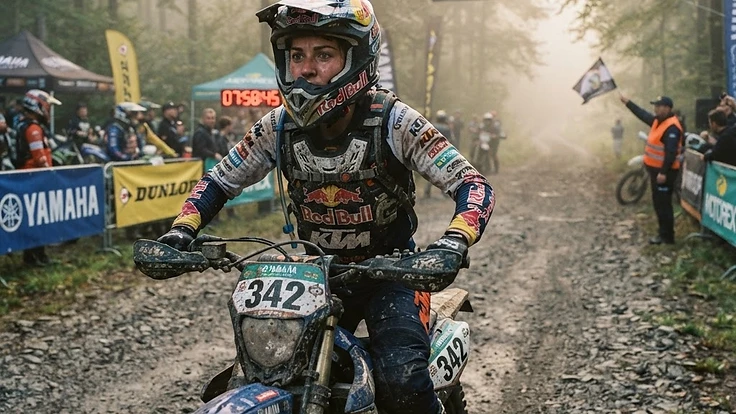
A practical, step-by-step guide to getting yourself and your bike ready for your first enduro race, with clear priorities, common mistakes, and what a solid first event should actually feel like.
You do not need to be the fastest rider in the field to have a good first enduro race. You do need a bike that works, a body that can keep moving for hours, and a simple plan you can stick to when your heart rate spikes and the course gets ugly.
Know What You Signed Up For
Before you train or bolt on parts, learn the format of the event. “Enduro” can mean traditional time-keeping, sprint enduro, hare scramble-style woods racing, or hard enduro with technical sections and strict cutoffs. Your prep changes depending on the race.
Check these basics:
- Race length: One hour, three hours, or all day changes pacing and fuel needs.
- Terrain: Sand, rocks, roots, mud, climbs, tight trees, or open grass track.
- Rules: Sound limits, spark arrestor, lights, number plates, transponder, riding gear requirements.
- Refueling: On-bike fuel only, pit support allowed, or designated service areas.
- Start procedure: Dead-engine start, row start, mass start, or time-based release.
If possible, look at past results and course videos. You are not trying to memorize the whole race. You are trying to understand what kind of day it will be.
Build the Right Fitness, Not Just More Fitness
Your first race will punish weak basics more than lack of top-end speed. Enduro riding is repeated efforts under fatigue: standing, braking, lifting the front wheel, recovering traction, and making decisions when tired.
Focus on four things for 6 to 8 weeks before the race:
- Ride once or twice a week with purpose. Practice 60 to 90 minutes without long breaks.
- Do simple strength work 2 times a week: squats, hinges, lunges, pull-ups or rows, push-ups, planks, carries. You do not need bodybuilding splits.
- Add cardio 2 times a week: one easy longer session, one hard interval session.
- Train grip and posture by riding standing up properly, not by crushing hand grippers all night.
The best fitness gain for most new racers is learning to relax on the bike. Death-gripping the bars burns your forearms faster than lack of fitness.
Prepare the Bike for Finishing, Not for Looking Fast
Your first goal is a bike that starts easily, runs cleanly, and survives the day. Fancy parts do not matter if the chain derails or the mousse is dead.
One week before the race, go through this checklist:
- Fresh air filter and a spare if conditions are dusty or wet.
- Good tires matched to terrain. If you run tubes, use heavy-duty tubes and correct pressure. If you run mousse, make sure it is not worn out.
- Chain and sprockets in good condition and adjusted correctly.
- Brake pads with plenty of life. Bleed brakes if the lever feels vague.
- Wheel bearings, linkage, and headset checked for play.
- Controls positioned for standing: levers slightly down, bars where you can move freely.
- Cooling system healthy. Enduro races are hard on bikes at low speed.
- Fuel range confirmed in real riding, not guessed.
- Spare basics packed: levers, master link, zip ties, tape, plugs, tools.
Do not make major setup changes the night before. A first race is not the place to test a new bar bend, clutch setup, or tire system.
Practice Race Skills, Not Just Trail Riding
A lot of riders can trail ride for hours and still struggle badly in a race because racing adds pressure, passing, bottlenecks, and bad decisions.
In the weeks before the event, practice these specific skills:
- Starts: dead-engine and live-engine starts.
- Tight turns: clutch control, eyes up, outside peg pressure.
- Restarts on hills: especially with people behind you.
- Passing and being passed: hold your line, stay predictable.
- Picking up the bike efficiently: back straight, bars turned, quick reset.
- Riding tired: finish sessions with a few technical efforts when your heart rate is already up.
If your event is technical, practice the boring fundamentals: braking late but controlled, weighting pegs, carrying momentum, and looking farther ahead than feels natural.
Build a Simple Race-Day Plan
You need a plan simple enough to follow when your brain gets noisy.
The night before:
- Pack gear, tools, fuel, food, water, paperwork, and directions.
- Lay out your riding kit completely.
- Fill the bike, charge devices, and set alarms.
- Eat a normal dinner. Do not experiment.
- Go to bed early enough, but do not panic if you sleep badly. One imperfect night will not ruin your race.
On race morning:
- Arrive early.
- Sign on, walk the key areas if allowed, and confirm start procedure.
- Eat a familiar breakfast with carbs and some protein.
- Start hydrating early, not at the line.
- Warm up lightly: mobility, easy jogging, a few short efforts.
- Check tire pressure, fuel, and controls one last time.
Pick three race priorities only:
- Stay smooth for the first 20 minutes.
- Avoid crashes and panic efforts.
- Eat and drink before you feel desperate.
Pace Yourself Like an Adult
Most first enduro races are lost in the first third by riders going out far too hard. You will feel amazing off the start. Ignore that feeling.
For the opening section:
- Breathe on purpose.
- Grip the bike with your legs, not your hands.
- Let faster riders go if forcing the issue will spike your heart rate.
- Ride at about 85 percent, not 100.
You should feel almost too controlled early on. That is right. If you still have usable legs, vision, and decision-making after the halfway point, you will start passing riders who cooked themselves.
Fuel, Hydration, and Body Management
For shorter events, a hydration pack may be enough. For longer events, you need a real plan.
Use what you have tested in training:
- Drink small amounts regularly.
- Use electrolytes if it is hot or you sweat heavily.
- For longer races, take easy carbs you can actually swallow under stress: gels, chews, soft bars, banana pieces.
- If you cramp easily, address hydration and pacing first before blaming supplements.
Also manage your body position. Sit when it helps traction and recovery, but stand early in rough ground. Save your lower back and forearms by moving around instead of locking into one posture.
Common Mistakes
- Starting at someone else’s pace and detonating 15 minutes later.
- Turning race morning into a workshop with last-minute bike changes.
- Running old tires, worn mousses, or guessing fuel range.
- Forgetting how much standing posture matters and setting the controls for seated trail riding.
- Death-gripping the bars and blaming arm pump on fitness alone.
- Skipping food and water because you “don’t feel like it” early.
- Fighting every pass instead of riding your own race.
- Wasting energy after a mistake by rushing, swearing, and making the next mistake immediately.
- Not practicing starts, hill restarts, or bike pick-ups before the event.
- Treating the first race like a result day instead of a learning day.
After the Race: Learn Fast
As soon as you finish, write down what happened while it is still fresh:
- What failed on the bike?
- Where did you lose the most energy?
- Did you pace the first half correctly?
- What did you eat and drink, and did it work?
- Which skills broke down under pressure?
This matters more than your finishing position. Your first race gives you real information. Use it.
What Good Looks Like
A good first enduro race does not mean a perfect ride. It means you arrive prepared, your bike is reliable, and you ride under control for most of the day. You finish knowing where you were strong, where you cracked, and what to train next.
The feeling should be hard but clear: tired hands, heavy legs, a few mistakes, and no major surprises. You should come away thinking, “I could do that better next time,” not “I had no idea what happened.” That is the right outcome. It means you raced, learned, and built a real base for the next one.
Keep Reading


Join the Enduro University community
Create a free account to comment on this article, make race predictions, play daily trivia, build your virtual garage, enter the photo contest and climb the leaderboards.
Related Stories



Comments (0)
Be the first to comment.