2026 Enduro Price Guide: Why the MSRP Is Only the Beginning
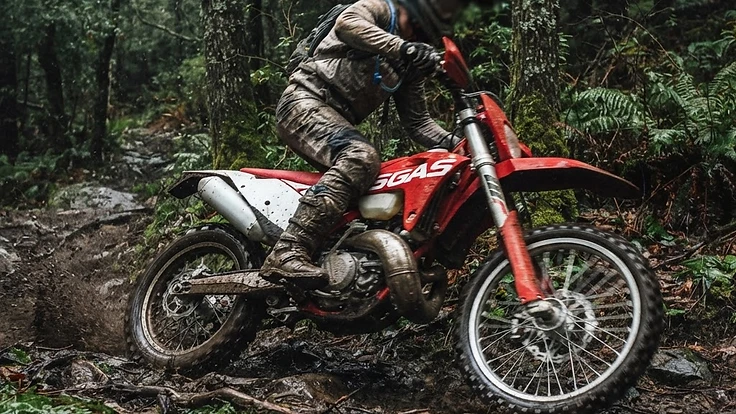
Skip the showroom surprises with our 2026 cost breakdown, covering everything from bike MSRP and hidden fees to the gear required for your first race.
If you are preparing to hit the trails or line up for your first hare scramble, one of your very first questions is likely, how much does an enduro bike cost? Purchasing a dedicated off-road motorcycle involves far more than simply looking at the manufacturer's suggested retail price (MSRP). Between dealer fees, required safety equipment, bike protection, and ongoing maintenance, the true cost of ownership spans a wide range. This comprehensive guide breaks down every financial aspect of buying and riding a modern enduro motorcycle so you can budget accurately for your upcoming season.
The Sticker Price: Base MSRP for 2026 Models. The initial purchase price of an enduro bike varies significantly based on engine displacement, engine type (two-stroke versus four-stroke), and the tier of components included from the factory. High-end racing editions with premium suspension and billet components will always command a premium over standard base models. Currently, you can expect to spend an approximate $9,000 to $14,000 on a brand-new, full-size enduro motorcycle. Entry-level, smaller displacement machines generally sit at the bottom of this pricing tier, while 450cc and 500cc four-strokes, alongside specialized hard enduro editions, occupy the top bracket. To give you a precise look at current market pricing, here is a detailed comparison of several highly popular 2025 and 2026 enduro models:
- Husqvarna TE 150 2025 (2-Stroke, 144 cc, 100.2 kg without fuel): $10249
- Honda CRF250RX 2025 (4-Stroke, 249.4 cc, 109.8 kg curb, full tank): $8699
- KTM 250 EXC (previously listed here as KTM 250 EXC TPI) 2025 (2-Stroke, 249 cc, 104.6 kg without fuel): Sold in the US as the 250 XC-W ($11,199)
- GasGas EC 300 2025 (2-Stroke, 293.2 cc, 107.6 kg without fuel): $10799
- KTM 350 EXC-F 2025 (4-Stroke, 349.7 cc, 107 kg without fuel, international spec): $12649
- Beta 300 RR Race (previously listed here as Beta RR 300 Racing) 2025 (Hard Enduro, 292.6 cc, 103.5 kg dry): $10699
As the data shows, two-strokes often present a slightly lower initial purchase price compared to four-strokes of a similar chassis size, though this gap has narrowed with the introduction of electronic fuel injection across modern two-stroke fleets. If you are struggling to decide which engine platform fits your budget and riding style, review our detailed guide on 300 Two-Stroke or 350 Four-Stroke? The Reality of Technical Enduro.
Out-the-Door Costs: Dealer Fees and Taxes. The MSRP listed on a manufacturer's website is rarely the final price you pay at the dealership. Dealerships apply several extra charges to cover their logistics, labor, and state requirements. When calculating your final budget, you must factor in the Out the Door (OTD) price. First, there are freight and destination charges. Manufacturers charge the dealer to ship the motorcycle in a crate from the factory to the showroom floor. This fee is almost always passed directly to the buyer and typically runs an approximate $400 to $700 depending on your location and the brand. Next comes the setup or preparation fee. Motorcycles do not arrive fully assembled. A dealership mechanic must uncrate the bike, install the front wheel, attach the handlebars, add fluids, charge the battery, and perform a safety check. Setup fees usually range an approximate $200 to $400. Finally, you have documentation fees and local taxes. Dealerships charge doc fees to process the paperwork, title, and registration (if your state registers off-road vehicles). Depending on your state's sales tax rate, taxes alone can add several hundred to over a thousand dollars to your final bill. A KTM 350 EXC-F 2025 with an MSRP of $12649 can quickly escalate to a much higher OTD price once freight, setup, and taxes are applied.
Essential Riding Gear Costs. Enduro riding is physically demanding and inherently risky. You will crash, you will be hit by branches, and you will fall on rocks. Proper safety gear is mandatory, not optional, and must be factored into the total cost of buying a dirt bike. For a complete setup from head to toe, budget an approximate $800 to $1,500. Here is a breakdown of what that includes: Helmet: A high-quality, DOT and ECE-rated off-road helmet is your most critical investment. Modern helmets feature rotational impact systems (like MIPS) that protect your brain during off-axis crashes. Expect to spend an approximate $200 to $600 here. Boots: Motocross and enduro boots provide crucial ankle support and crush protection. Flimsy dual-sport boots will not protect you from a motorcycle landing on your leg. Premium hinged boots cost an approximate $350 to $650, while entry-level protective boots run closer to $250. Goggles, Gloves, and Apparel: Enduro-specific gear needs to be durable and well-ventilated. Pants, jerseys, gloves, and scratch-resistant goggles will run an approximate $150 to $300 combined. Body Armor and Braces: A chest protector with back and rib protection defends against flying rocks and blunt force trauma from handlebars. Knee guards are standard, but many riders opt for medical-grade knee braces to prevent ligament tears. Basic armor and knee guards cost an approximate $150, whereas carbon fiber knee braces can push the armor budget to an approximate $800 or more.
Essential Bike Protection and Upgrades. Stock enduro bikes are built incredibly well, but they require additional armor to survive hard enduro environments. Crashing a brand-new bike without protection will result in broken radiators and crushed exhaust pipes—costly repairs that far exceed the price of aftermarket guards. Handguards are the first upgrade. While some bikes come with plastic flags that deflect brush, wrap-around aluminum handguards prevent broken levers and crushed fingers when you clip a tree. These run an approximate $80 to $150. A heavy-duty skid plate is the next priority. The factory plastic skid plates on many models are insufficient for log hopping and rock gardens. A thick polyethylene or aluminum skid plate costs an approximate $100 to $180, saving your engine cases and frame rails from permanent damage. Radiator guards are also highly recommended. Radiators are fragile aluminum components exposed directly to impact. Bending or piercing one will leave you stranded in the woods without coolant. Billet aluminum radiator braces cost an approximate $150 to $250. Finally, many enduro riders swap traditional pneumatic tubes for foam mousses. A mousse insert makes it impossible to get a flat tire, which is critical during long races or deep-woods trail rides. A set of front and rear mousses will cost an approximate $250 to $300, plus the cost of installation tools or shop labor.
Running Costs: Maintenance and Wear Items. The ongoing cost of running an enduro bike is significantly higher than that of a standard street bike. Off-road racing places immense strain on chains, sprockets, tires, and engine oil. Tires degrade quickly depending on the terrain. Soft-compound enduro tires provide incredible grip on wet roots and rocks but wear down fast. Depending on how frequently you ride, you may go through three to five rear tires a season, at an approximate $100 to $140 per tire. Two-stroke motorcycles require premix oil or injector oil, while four-strokes require frequent engine oil and filter changes—often every 10 to 15 engine hours. High-quality synthetic motorcycle oil costs an approximate $15 to $20 per liter. If you ride every weekend, oil changes become a regular monthly expense. Engine rebuilds are another reality of dirt bike ownership. Two-strokes require top-end piston replacements more frequently than four-strokes, usually between 80 and 150 hours depending on how hard the bike is revved. A two-stroke piston kit costs an approximate $150 to $250, and the labor is simple enough for most riders to do at home. Four-strokes go much longer before needing engine work, but when they do require a rebuild involving valves, cams, and pistons, the parts and shop labor can easily exceed an approximate $1,000. For an in-depth look at how these platforms stack up, check out our KTM 350 vs Husqvarna FE 350: Choosing the Right Austrian Mid-Weight article to see how component choices impact long-term ownership.
Frequently Asked Questions. Does a higher price mean a better enduro bike? Not necessarily. You are primarily paying for displacement, specific engine characteristics, component quality, and electronics. A Husqvarna TE 150 might actually perform much better in extremely tight, technical woods for a smaller or novice rider than a heavier KTM 450 EXC-F. Buying the right bike for your terrain and skill level is far more important than buying the most expensive model on the showroom floor. Are four-stroke enduro bikes generally more expensive to maintain? Over the long term, four-strokes tend to carry higher catastrophic repair costs. While two-strokes need piston replacements more frequently, the parts are cheap and the labor is easy. Four-strokes have more complex cylinder heads featuring titanium valves, camshafts, and timing chains. Regular oil changes are also more frequent on high-performance four-strokes to protect these delicate components. How much should I budget for transporting the dirt bike? Unless you live directly adjacent to a trail network, you will need a way to transport your motorcycle. If you own a pickup truck, a basic loading ramp and a set of quality tie-down straps will cost an approximate $100 to $150. If you have an SUV with a Class III hitch, a hitch-mounted motorcycle carrier runs an approximate $200 to $400. Buying a dedicated utility trailer involves a larger investment, generally an approximate $1,000 to $2,500 depending on size and construction. Do off-road enduro bikes hold their resale value? Enduro motorcycles depreciate, but well-maintained models from premium brands hold their value reasonably well. Depreciation is steepest in the first two years, dropping roughly 20 to 30 percent from the initial MSRP. However, resale value is heavily dictated by the bike's mechanical condition, hour meter reading, and maintenance records. A bike with 200 hours and a documented, fresh top-end rebuild will sell for more than a bike with 100 hours of completely neglected maintenance. Can I finance a new dirt bike? Yes, almost all major manufacturers offer financing through promotional credit lines or partnered banks. During promotional periods, you might find interest rates as low as 1.9% or 3.9% for a specific term length. However, standard powersports financing often carries higher interest rates than automotive loans. Be sure to calculate the total amount of interest you will pay over the life of the loan to understand exactly how much the bike will truly cost.
Keep Reading


Join the Enduro University community
Create a free account to comment on this article, make race predictions, play daily trivia, build your virtual garage, enter the photo contest and climb the leaderboards.
Related Stories



Comments (0)
Be the first to comment.