How to Start on a Steep Hill on an Enduro Bike
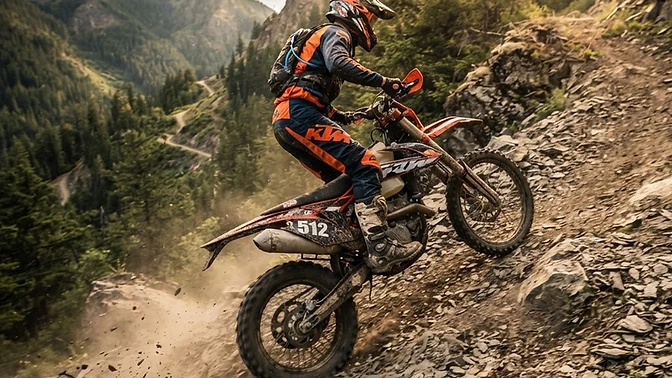
Master the art of the uphill restart on your enduro bike by balancing clutch control, body positioning, and precise throttle application for total confidence.
Starting on a steep hill is a critical skill that separates casual trail riders from confident enduro competitors. When you stall on a technical incline, the ability to restart smoothly without losing your line or rolling backward is essential for maintaining momentum. This guide provides the technical foundation to master hill restarts in any terrain.
What It Is and Why It Matters
A hill start on an enduro bike is the process of engaging the engine and drivetrain while stationary on an incline, ensuring the bike moves forward immediately without stalling or looping out. It requires a delicate synchronization of the clutch friction zone, rear brake pressure, and throttle input to overcome gravity while maintaining traction.
Mastering this technique is vital because technical enduro trails often force you to stop in challenging spots. If you cannot restart effectively, you risk sliding backward, losing your balance, or becoming a hazard to yourself and others. Developing this muscle memory allows you to tackle steeper, more technical terrain with the confidence that you can recover from any mid-climb stop.
Step-by-Step Technique
- Secure the Bike — When you come to a stop on a hill, immediately apply both the front and rear brakes to hold your position. Keep your bike in first gear and ensure your body is centered to maintain balance. If the terrain is loose, lean the bike slightly toward the uphill side to keep your weight stable.
- Establish the Ready Position — Shift your body weight forward, keeping your chest over the handlebars and your elbows up. This position prevents the front wheel from lifting unexpectedly when you apply power. Keep your feet ready to dab for balance, but prioritize keeping your right foot on the rear brake pedal.
- Find the Friction Zone — Slowly release the clutch lever until you feel the engine load change and the bike begin to pull against the rear brake. You will hear the engine pitch drop slightly as the clutch plates begin to engage. This is the critical friction zone where the power is ready to be transferred to the rear wheel.
- Apply Consistent Throttle — Once you feel the engine pulling, add a small, steady amount of throttle to build engine speed. Avoid aggressive revving, which can cause the rear tire to spin and lose traction on loose surfaces. Keep the throttle smooth and constant to ensure a predictable launch.
- Release the Brake and Engage — As you feel the bike wanting to move forward, smoothly release the rear brake while simultaneously feeding in more clutch. Do not dump the clutch, as this will likely cause a stall or a wheelie. Coordinate the release of the brake with the final engagement of the clutch to transition into forward motion.
- Maintain Forward Momentum — As the bike begins to roll, keep your eyes focused on your exit path rather than the front wheel. Continue to modulate the clutch if the terrain is technical or slippery to keep the rear tire hooked up. Keep your body weight forward until you have reached a flatter section or gained sufficient speed.
2-Stroke vs 4-Stroke Differences
The primary difference lies in the power delivery and stalling characteristics of the engines. A 2-stroke engine requires more precise clutch work to keep the RPMs in the power band, as they lack the low-end torque of a 4-stroke and are more prone to stalling at low speeds. Conversely, a 4-stroke offers more predictable, luggable torque, allowing you to rely slightly more on the engine's natural pull, though you must be careful not to stall the heavier rotating mass if the RPMs drop too low.
5 Common Mistakes (and How to Fix Them)
1. Releasing the clutch too quickly causing a stall.
Focus on finding the friction zone first and hold it there until you feel the bike pulling forward.
2. Leaning too far back which causes the front wheel to lift.
Actively push your chest toward the handlebars and keep your elbows up to keep the front end planted.
3. Panicking and grabbing a handful of throttle.
Practice smooth, incremental throttle inputs on flat ground until the movement becomes second nature.
4. Removing the foot from the rear brake too early.
Keep the rear brake engaged until you feel the engine pulling against the clutch, then release it gradually.
5. Looking down at the front wheel.
Force your eyes to look up at the trail ahead to maintain balance and choose the best line.
Practice Drill You Can Do in Your Yard
Find a safe, gentle incline in your yard or a local paddock to practice. Start by holding the bike stationary on the slope using only the clutch and throttle, without touching the brakes. Once you can hold your position for five seconds, practice moving forward a few feet and stopping again. Repeat this until you can perform the start smoothly without stalling or rolling backward.
Motorcycle Setup & Tuning Notes
Ensure your clutch lever is adjusted so the friction zone is easily accessible and not too far out from the grip. Check that your rear brake pedal is positioned at a height that allows for easy engagement while your foot is on the peg. Slightly lower tire pressure can also help increase rear-wheel traction on steep, loose hill starts.
Frequently Asked Questions
Q: Should I use the front or rear brake to hold the bike?
Use the rear brake to hold the bike on a hill because it allows you to keep your right hand free for precise throttle control. Using the front brake can make the bike feel unstable and harder to modulate during the transition.
Q: What do I do if I stall mid-hill?
Immediately pull in the clutch and apply both brakes to stop any backward roll. Once stable, find neutral if necessary to restart, or keep the bike in gear, hold the clutch, and perform a controlled restart.
Q: Is it better to stand or sit during a hill start?
For most intermediate riders, sitting slightly back on the seat provides better traction and stability during the initial launch. As you gain speed and the terrain levels out, you can transition to a standing position.
Q: How much throttle is too much?
If your rear tire is spinning and digging a trench, you are using too much throttle. Aim for the minimum amount of power required to keep the engine running and the bike moving forward.
Related Techniques


Relevant Bike
KTM 350 EXC-FTrack your progress and join the community
Create a free account to save the technique guides you've mastered, make race predictions, play trivia, and connect with enduro riders worldwide.