How to Climb Steep Hills on an Enduro Motorcycle
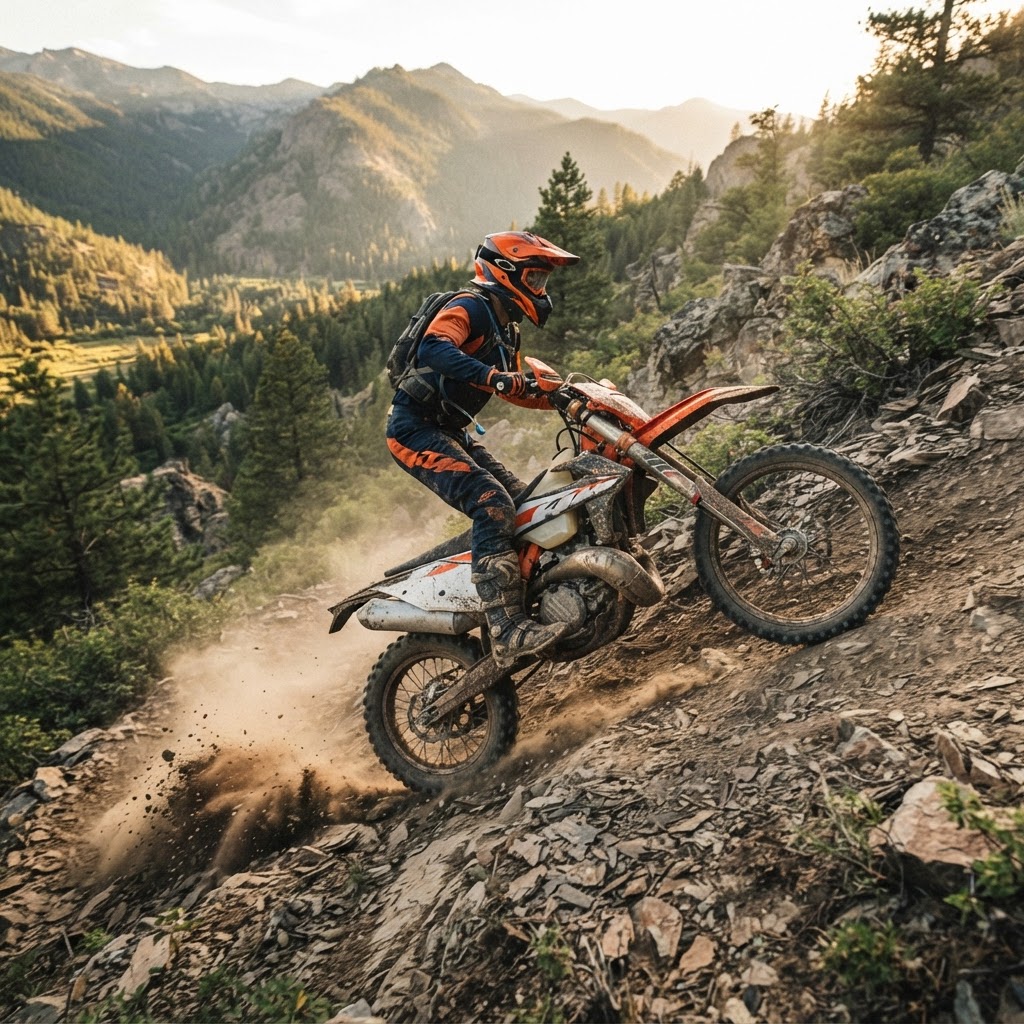
Master steep enduro hill climbs by balancing momentum, body position, and clutch control to maintain traction and forward progress on technical terrain.
Climbing steep, technical hills is the ultimate test of an enduro rider's skill, requiring a precise blend of aggression and finesse. Mastering this technique allows you to conquer terrain that stops most riders in their tracks. By focusing on body position and traction management, you can turn intimidating slopes into routine trail sections.
What It Is and Why It Matters
Hill climbing on an enduro bike is the art of managing momentum and rear-wheel traction against the constant pull of gravity. It is not about raw engine power; it is about maintaining a consistent, forward-moving rhythm while preventing the rear tire from spinning out or the front end from looping over. When you understand how to distribute your weight and manipulate the clutch, you stop fighting the hill and start working with the terrain.
This skill is critical because it prevents stalls and crashes on technical inclines where a mistake can lead to a dangerous slide backward. Developing a systematic approach to climbs ensures you can navigate loose rocks, slippery roots, and steep faces with confidence. By mastering these fundamentals, you gain the ability to choose better lines and maintain control even when the trail conditions deteriorate.
Step-by-Step Technique
- Assess and Plan — Before you commit, scan the hill for the best line, looking for consistent dirt and avoiding deep ruts or loose rocks. Identify potential obstacles like roots or ledges that might disrupt your momentum. Planning your path early allows you to maintain a steady, focused approach rather than reacting to the terrain mid-climb.
- Select the Right Gear — Choose a gear that provides enough torque to pull you up the slope without excessive wheel spin. Second gear is often ideal for moderate, flowing hills, while first gear is necessary for steep, technical, or rocky sections where precision is paramount. Avoid shifting mid-climb, as this can cause a momentary loss of momentum and traction.
- Establish Initial Momentum — Approach the base of the hill with enough speed to carry you into the incline, but do not enter so fast that you lose control. Your goal is to have sufficient kinetic energy to overcome the initial steepness without needing to pin the throttle. A controlled, aggressive start is far more effective than a panicked burst of power halfway up.
- Optimize Body Position — Stand on the balls of your feet with your knees gripping the tank and your elbows up and out. Shift your weight forward to keep the front wheel planted, preventing it from lifting on the steepest sections. If the rear wheel begins to lose traction, you can subtly shift your weight back to add pressure, but always prioritize keeping the front end down.
- Manage Throttle and Clutch — Use the clutch as your primary tool for managing power delivery and traction. Keep the engine in the meat of the powerband, using the friction zone to smooth out any sudden surges that might break the rear tire loose. A calm, steady throttle hand is essential to prevent the bike from digging a trench.
- Maintain Focus and Vision — Keep your eyes up and look toward the top of the hill or your chosen exit point, rather than staring at your front fender. Looking ahead helps your brain process the terrain and keeps your body balanced naturally. If you look down, your body will tighten up, which negatively impacts your bike's stability.
- Execute a Safe Reset — If you lose momentum and cannot continue, do not panic or try to force the bike up. Keep the bike in gear, hold the rear brake firmly, and carefully turn the handlebars to point the bike across the slope or back down if safe. Practice a controlled descent by using the clutch and rear brake to manage your speed.
2-Stroke vs 4-Stroke Differences
Two-stroke engines require more active clutch work to keep the engine in the powerband, as they lack the low-end torque of a four-stroke. You must be more precise with your gear selection and keep the RPMs higher to ensure you have the snap needed for steep sections. Conversely, four-stroke engines offer a broader, more predictable torque curve, allowing you to lug the engine lower in the RPM range without stalling. This makes four-strokes generally more forgiving on technical, low-speed climbs where traction is at a premium.
5 Common Mistakes (and How to Fix Them)
1. Using too much throttle causes the rear wheel to spin and lose drive.
Focus on smooth, linear throttle application and use the clutch to modulate power.
2. Sitting down during the climb shifts weight too far back.
Always stand on the pegs to keep your center of gravity centered and forward.
3. Choosing a gear that is too high leads to stalling.
Downshift before you hit the base of the hill to ensure you have enough torque.
4. Staring at the front wheel causes tunnel vision and poor line choice.
Keep your head up and look at least 10 to 15 feet ahead of your front wheel.
5. Panicking when momentum slows leads to jerky inputs.
Stay loose on the bars and trust your momentum; if you stop, reset calmly.
Practice Drill You Can Do in Your Yard
Find a small, safe incline in a flat field or paddock to practice your clutch and throttle coordination. Start from a dead stop at the base and focus on a smooth, controlled launch without spinning the rear tire. Repeat this until you can consistently climb the small hill with minimal wheel slip and perfect body posture.
Motorcycle Setup & Tuning Notes
Ensure your tire pressure is set appropriately for the terrain; lower pressures increase the contact patch for better grip on loose hills. Adjust your clutch lever position so you can easily reach it with one or two fingers while standing. Finally, ensure your suspension sag is set correctly to keep the bike balanced and prevent the rear end from squatting excessively under load.
Frequently Asked Questions
Q: What is the most important factor in a successful hill climb?
The most important factor is controlled momentum combined with precise clutch control to maintain rear-wheel traction.
Q: Should I stand or sit when climbing a steep hill?
You should always stand on the pegs to maintain better balance, control, and the ability to shift your weight as the terrain changes.
Q: What should I do if I stall halfway up a steep hill?
Hold the rear brake firmly to prevent rolling backward, then carefully turn the bike across the slope or back down to a safe position.
Q: Does engine size matter for climbing steep hills?
While larger engines provide more power, rider technique, proper gearing, and tire traction are far more important than raw horsepower.
Relevant Bike
GasGas EC 300Track your progress and join the community
Create a free account to save the technique guides you've mastered, make race predictions, play trivia, and connect with enduro riders worldwide.