How to Master Rear Brake Control on an Enduro Bike

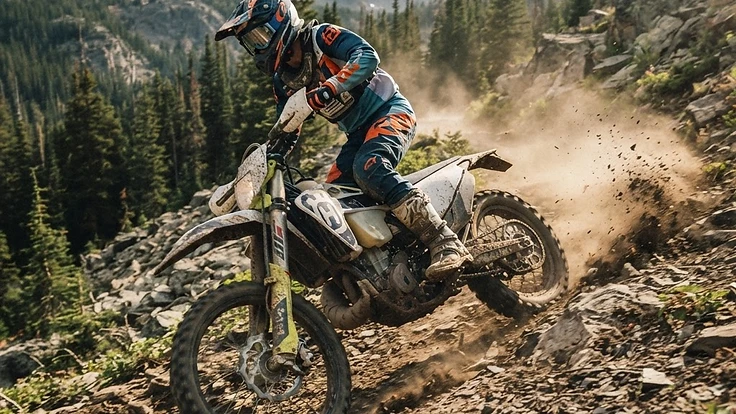
Master rear brake control to stabilize your bike, manage steep descents, and improve traction through precise, independent modulation.
Mastering the rear brake is the secret to transforming from a hesitant trail rider into a confident, technical enduro pilot. While the front brake provides the bulk of your stopping power, the rear brake is your primary tool for stability, traction management, and bike control in challenging terrain. This guide will help you unlock the precision needed to navigate steep descents and tight corners with ease.
What It Is and Why It Matters
Rear brake control is the art of using your right foot to modulate the rear wheel's rotation independently of the throttle and front brake. Unlike road riding where the rear brake is often secondary, in enduro, it acts as a stabilizer that keeps the chassis settled, prevents the engine from stalling, and allows you to 'drag' the brake to maintain traction on loose or slippery surfaces. By mastering this, you gain the ability to steer the bike with your rear wheel and maintain composure when the terrain gets unpredictable.
This skill is vital because it allows you to keep the bike balanced during technical maneuvers like wheelies, hill climbs, and steep, technical descents. When you learn to finesse the pedal rather than stomping on it, you prevent wheel lock-up, which preserves momentum and keeps your tires tracking true. It is the difference between skidding out of control and maintaining a smooth, calculated line through the most difficult sections of the trail.
Step-by-Step Technique
- Optimize Pedal Height — Adjust your rear brake pedal so it sits level with or slightly above your footpeg when you are standing. You should never have to lift your foot off the peg or point your toe downward to find the lever. A neutral, ergonomic position allows for instant, fatigue-free access during technical riding.
- Develop the Friction Zone — Just like your clutch, your rear brake has a 'friction zone' where the pads begin to bite before full lock-up occurs. Practice applying light, consistent pressure in a flat, open area to feel exactly where that engagement point starts. Learning to hold the pedal at this threshold is the key to advanced modulation.
- Master Independent Modulation — Practice using the rear brake while keeping your throttle steady and your clutch engaged. This teaches your brain to separate the right foot's input from your hand's inputs. Focus on smooth, progressive pressure rather than sudden, jerky movements that cause the rear tire to break traction.
- Cover the Brake — Always keep the ball of your right foot resting lightly on the brake pedal, even when you are not actively braking. This 'covering' technique ensures that you can react instantly to a loss of traction or a sudden obstacle. It is a mandatory habit for any rider tackling steep, technical enduro terrain.
- Integrate with Body Position — When braking hard, shift your hips back and keep your weight low to prevent the rear end from becoming too light. By keeping your center of gravity over the rear wheel, you maximize the tire's contact patch and effectiveness. This prevents the rear wheel from hopping or skidding when you apply pressure.
- Use the Clutch for Stability — When you need to brake hard at low speeds, pull the clutch in to prevent the engine from stalling. This allows you to use the rear brake to stop the bike completely without the engine fighting against the braking force. It creates a seamless connection between your inputs and the bike's movement.
- Practice Trail Braking — As you enter a turn, carry a small amount of rear brake pressure through the corner to keep the chassis settled and the suspension loaded. This technique helps the bike track through ruts and prevents the rear end from wandering. Gradually release the pressure as you begin to accelerate out of the turn.
2-Stroke vs 4-Stroke Differences
On a 4-stroke, you benefit from significant engine braking, which helps slow the bike down naturally when you roll off the throttle. This means you can often use the rear brake more sparingly to fine-tune your speed. Conversely, 2-strokes have very little engine braking, requiring you to rely more heavily on the rear brake to manage your speed and keep the bike settled in corners and on descents.
5 Common Mistakes (and How to Fix Them)
1. Stomping on the pedal and locking the rear wheel.
Focus on 'squeezing' the pedal with your calf and ankle muscles rather than pushing with your whole leg.
2. Lifting the foot off the peg to find the brake.
Adjust your pedal height so it is always under your boot while your feet are on the pegs.
3. Ignoring the rear brake during steep descents.
Keep the rear brake engaged to prevent the bike from accelerating uncontrollably and to keep the chassis stable.
4. Using the rear brake without pulling the clutch.
Always pull the clutch in during low-speed braking to prevent stalling and ensure smooth modulation.
5. Tensing up the upper body while braking.
Keep your elbows up and your grip loose to allow the bike to move underneath you while you maintain control.
Practice Drill You Can Do in Your Yard
Find a flat, grassy, or dirt area and practice 'clutch creeps' while dragging the rear brake. Ride at a walking pace, keeping the clutch in the friction zone and applying just enough rear brake to keep the bike moving slowly without stopping. Repeat this until you can maintain a perfectly steady, slow speed without the bike jerking or stalling. This builds the muscle memory required for technical, slow-speed trail sections.
Motorcycle Setup & Tuning Notes
Ensure your rear brake fluid is fresh and bled properly to avoid a 'spongy' feel that ruins modulation. You may also consider adjusting the pedal's return spring tension or installing a larger brake pedal tip to increase surface area for your boot. Finally, ensure your rear tire pressure is appropriate for the terrain, as a tire with too much air will lock up much easier than one with proper traction.
Frequently Asked Questions
Q: Should I use the rear brake in corners?
Yes, using a light drag on the rear brake helps settle the suspension and keeps the bike tracking through the turn. It prevents the rear end from feeling 'loose' or wandering.
Q: Why does my rear wheel lock up so easily?
You are likely applying too much pressure too quickly. Focus on a progressive, smooth squeeze of the pedal to find the limit of traction before the wheel stops rotating.
Q: Is it okay to use the rear brake while standing?
It is essential to use the rear brake while standing. Standing allows you to use your legs as secondary suspension and gives you better control over the bike's balance.
Q: How do I stop the bike from stalling when I brake hard?
Always pull the clutch in the moment you apply significant rear brake pressure. This disconnects the engine from the rear wheel, allowing you to stop without the engine cutting out.
Related Techniques


Relevant Bike
KTM 350 EXC-FTrack your progress and join the community
Create a free account to save the technique guides you've mastered, make race predictions, play trivia, and connect with enduro riders worldwide.