How to Brake Downhill on a Dirt Bike
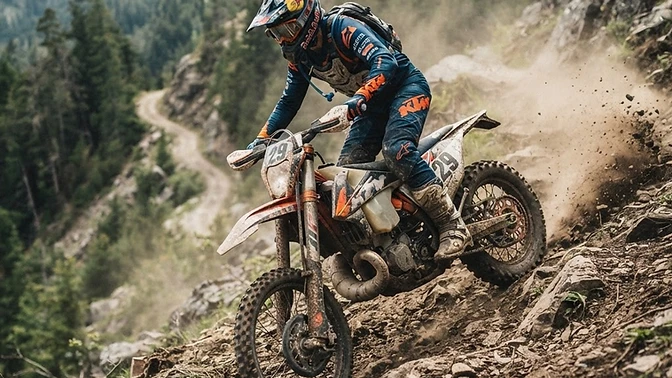
Master controlled downhill descents by balancing body position, engine braking, and precise modulation of both front and rear brakes for maximum traction.
Descending steep, technical terrain is one of the most intimidating aspects of enduro riding, often causing riders to panic and lock their wheels. Mastering downhill braking is not about stopping completely, but about maintaining consistent traction and speed control. This guide will teach you the professional techniques to stay composed and in control when the trail drops away beneath you.
What It Is and Why It Matters
Downhill braking is the art of managing your motorcycle's momentum through a combination of engine braking, rear brake drag, and front brake modulation. When you descend, gravity shifts your center of gravity forward, which naturally lightens the rear tire and increases the load on the front suspension. If you rely solely on the front brake, you risk tucking the front end or causing a washout; if you rely only on the rear, you risk locking the wheel and losing directional stability.
By mastering this technique, you ensure that both tires remain in contact with the ground, providing the grip necessary to steer and navigate obstacles. Proper braking allows you to maintain a controlled pace, preventing the bike from 'running away' from you on steep sections. This skill is essential for conserving energy, reducing rider fatigue, and ultimately allowing you to tackle more technical terrain with confidence and safety.
Step-by-Step Technique
- Shift Your Body Position — As you approach the descent, slide your hips back toward the rear of the seat to counteract the forward weight transfer caused by the incline. Keep your chest low and your elbows up to maintain a neutral, active posture that allows the bike to move beneath you. Avoid locking your arms, as you need to remain flexible to absorb bumps and maintain steering input.
- Engage the Correct Gear — Before the slope begins, ensure you are in a gear that provides sufficient engine braking without being so low that the engine stalls. A higher gear is often better than a low one, as it prevents the rear wheel from locking up instantly when you touch the brake. Use the engine's natural resistance to help regulate your speed before you even apply the mechanical brakes.
- Grip the Tank — Use your inner thighs to firmly grip the fuel tank or frame, which anchors your body to the machine. This grip prevents you from sliding forward onto the handlebars when you apply the front brake. By supporting your weight with your legs, you keep your hands light on the grips, allowing for more precise control of the brake and clutch levers.
- Feather the Rear Brake — Use the rear brake as your primary tool for speed regulation and stability, applying it with a light, consistent pressure. Think of it as 'dragging' the brake rather than clamping it, which helps keep the rear wheel tracking straight. If you feel the rear wheel start to slide or chatter, slightly ease off the pressure to regain traction.
- Modulate the Front Brake — Apply the front brake with a gentle, progressive squeeze, using only one or two fingers to ensure you do not grab too much lever at once. The front brake provides the majority of your stopping power, but it must be used carefully on loose or steep surfaces. If the front end feels unstable, immediately reduce your pressure to allow the tire to regain its grip.
- Look Ahead — Keep your eyes focused well down the trail rather than looking directly at your front fender. Looking ahead allows your brain to process the terrain and anticipate necessary adjustments in your braking pressure. This habit helps you pick the best line and keeps your body balanced naturally with the slope.
- Use the Clutch — Keep one finger on the clutch lever at all times to prevent the engine from stalling during heavy braking or if you encounter a sudden obstacle. If you feel the rear wheel locking up, pulling the clutch in instantly frees the wheel and helps you regain control. This is a critical safety habit for technical descents where engine stall could lead to a loss of balance.
2-Stroke vs 4-Stroke Differences
The primary difference lies in the engine braking characteristics of the two platforms. A 4-stroke engine provides significant natural compression braking, which helps slow the bike down as soon as you roll off the throttle, requiring less reliance on the rear brake. Conversely, a 2-stroke engine has very little compression braking, meaning you must rely more heavily on the rear brake and manual clutch control to manage your speed on steep descents.
5 Common Mistakes (and How to Fix Them)
1. Locking the rear wheel.
Ease off the rear brake immediately and use the clutch to keep the engine spinning.
2. Sitting too far forward.
Slide your hips back to the rear of the seat to keep the front end from diving.
3. Stiffening your arms.
Keep your elbows up and your arms relaxed to allow the bike to track over bumps.
4. Looking down at the front wheel.
Force your gaze 20 feet ahead to improve your balance and line selection.
5. Grabbing the front brake too hard.
Use only one or two fingers and apply pressure progressively rather than all at once.
Practice Drill You Can Do in Your Yard
Find a gentle, grassy slope in a safe area to practice your body position and braking modulation. Start by riding down the slope at a slow pace, focusing on keeping your weight back and using only the rear brake to control your speed. Once comfortable, introduce the front brake with a light, two-finger touch, ensuring you do not lock either wheel. Repeat this until you can descend with smooth, consistent speed control without any skidding.
Motorcycle Setup & Tuning Notes
Ensure your brake levers are positioned so you can reach them comfortably while standing, without having to rotate your wrists. Check that your rear brake pedal is not set too high, which can lead to accidental dragging or locking. Finally, ensure your suspension sag is set correctly for your weight, as a bike that is too soft in the front will dive excessively on steep descents.
Frequently Asked Questions
Q: Should I use the front or rear brake more on a steep hill?
You should use both simultaneously, but the rear brake is your primary tool for stability and speed regulation, while the front provides the majority of your stopping power.
Q: What do I do if the bike starts to slide?
Immediately release the brake pressure to allow the tires to regain traction, and ensure your body weight is positioned far enough back.
Q: Is it okay to lock the rear wheel on purpose?
Generally no, as a locked wheel loses its ability to steer and can cause the bike to swap ends; keep the wheel rotating for maximum control.
Q: Why does my engine keep stalling on downhills?
You are likely applying the rear brake too hard without pulling in the clutch; keep one finger on the clutch to prevent the engine from dying.
Relevant Bike
KTM 350 EXC-FTrack your progress and join the community
Create a free account to save the technique guides you've mastered, make race predictions, play trivia, and connect with enduro riders worldwide.