How to Ride Sand on an Enduro Motorcycle
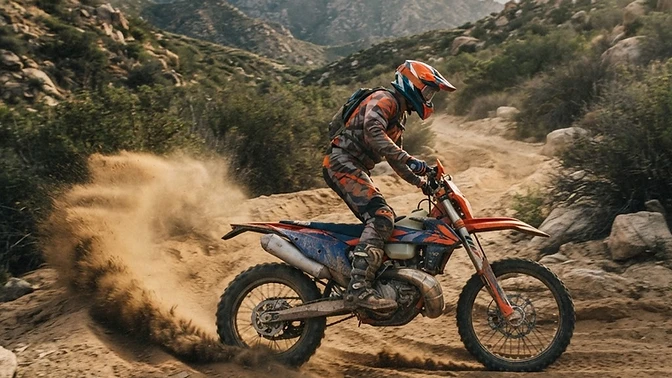
Master deep sand by maintaining momentum, keeping your weight back, and using throttle control to keep the bike floating on top of the terrain.
Riding sand is often the most intimidating terrain for an intermediate enduro rider, yet it is one of the most rewarding skills to master. By understanding how to manipulate the bike's physics, you can transform a terrifying experience into a fluid, high-speed adventure. This guide provides the technical foundation needed to stop fighting the sand and start floating over it.
What It Is and Why It Matters
Sand riding is essentially the art of maintaining a 'plane'—a state where your motorcycle's speed and power keep the tires on top of the loose surface rather than digging into it. When you lose momentum, the front wheel begins to plow, the bike becomes unstable, and the sand acts like a trap that pulls you down. Mastering this terrain is critical because it teaches you the importance of throttle discipline, body weight distribution, and the ability to remain calm while the bike moves beneath you.
Unlike hardpack, where you can rely on traction and precise steering, sand requires a more aggressive, proactive approach. You are not just steering with the handlebars; you are steering with your feet, your weight, and the rear wheel. By learning to trust the bike's natural tendency to self-correct at speed, you will gain the confidence to tackle deep sections that previously forced you to stop or dab.
Step-by-Step Technique
- Adopt an Aggressive Stance — Stand up on the pegs immediately upon entering sandy sections to allow the bike to move freely beneath you. Keep your knees gripping the tank firmly to maintain control and stability. Shift your body weight slightly toward the rear of the bike to keep the front end light and prevent it from diving into the sand.
- Maintain Consistent Momentum — Momentum is your best friend in deep sand, as it keeps the bike floating on the surface. Avoid chopping the throttle, as this causes the front end to drop and the bike to lose its plane. Keep the engine in a higher gear than you would on hardpack to ensure you have enough power to pull through the resistance.
- Look Far Ahead — Target fixation is a common trap; if you look at the sand directly in front of your tire, you will likely end up there. Keep your eyes up and scan the horizon or a distant point where you want to go. Your bike will naturally follow your line of sight, helping you maintain a smoother, more predictable path.
- Steer with Your Feet — Avoid aggressive handlebar inputs, which can cause the front wheel to wash out or tuck. Instead, use your feet to weight the outside peg to initiate turns and maintain balance. Let the bike squirm underneath you, and trust that the front wheel will find its own path if you keep the throttle steady.
- Use Gentle Braking — The sand itself provides significant natural resistance, so you rarely need to use the front brake. Rely primarily on the rear brake for minor speed adjustments, and use it sparingly to avoid locking the wheel. If you must slow down, do so gradually to prevent the front end from digging in.
- Keep a Light Grip — Tension in your arms and shoulders will translate directly into erratic steering inputs. Hold the handlebars with a light, relaxed grip, similar to holding two fragile eggs. This allows the bike to track straight through the sand without you fighting its natural movement.
- Practice Controlled Blips — If you feel the bike bogging down, use short, sharp bursts of throttle to regain your momentum. These blips help keep the rear tire spinning fast enough to maintain traction and keep the bike on top of the sand. Avoid pinning the throttle wide open, as this can lead to excessive wheel spin and loss of control.
2-Stroke vs 4-Stroke Differences
On a 2-stroke, you must be more diligent about keeping the engine in the powerband, as the lack of engine braking can make the bike feel less planted. You will need to use the clutch more frequently to keep the revs high and the rear wheel spinning. Conversely, a 4-stroke offers more torque and engine braking, which can help stabilize the bike in corners, but you must be careful not to let the engine braking cause the front end to dive when you roll off the throttle.
5 Common Mistakes (and How to Fix Them)
1. Looking down at the front wheel.
Force yourself to look at least 20 feet ahead to improve your balance and line selection.
2. Sitting down in deep sand.
Stand up immediately to allow the bike to move and to keep your weight centered or slightly back.
3. Chopping the throttle when nervous.
Keep the throttle steady or slightly open to maintain the momentum that keeps you floating.
4. Over-steering with the handlebars.
Relax your grip and steer using your legs and weight shifts on the footpegs.
5. Using the front brake.
Keep your fingers off the front brake lever to prevent the front wheel from washing out.
Practice Drill You Can Do in Your Yard
Find a safe, flat, sandy area and set up two markers about 50 yards apart. Practice riding back and forth between them, focusing on standing up and keeping your eyes on the far marker. Once comfortable, try to make smooth, wide turns without putting a foot down. Repeat this until you can maintain a consistent speed without feeling the need to grab the front brake.
Motorcycle Setup & Tuning Notes
Lowering your tire pressure slightly can increase the contact patch and help the bike float, but ensure you have rim locks installed to prevent the tire from spinning on the rim. Adjust your suspension clickers to be slightly softer to help the bike track through the sand rather than deflecting off it. Ensure your levers are positioned so you can reach them easily while standing, but keep them loose enough to rotate in a crash.
Frequently Asked Questions
Q: Why does my bike feel like it's wandering all over the place?
That is normal behavior for a bike in sand. You are fighting the bike's natural movement; relax your grip and let the bike move beneath you.
Q: Should I put my foot down in corners?
Avoid putting your foot down, as it can catch in the sand and cause injury or upset your balance. Keep your feet on the pegs to maintain control.
Q: What gear should I be in?
Stay in a higher gear than you think you need. This keeps the engine in a usable power range and prevents the rear wheel from digging in.
Q: Is it dangerous to ride fast in sand?
Actually, the faster you go, the more stable the bike becomes due to the gyroscopic effect of the wheels. Momentum is your primary safety tool.
Related Techniques


Relevant Bike
KTM 350 EXC-FTrack your progress and join the community
Create a free account to save the technique guides you've mastered, make race predictions, play trivia, and connect with enduro riders worldwide.