How to Corner Through a Rut on an Enduro Bike
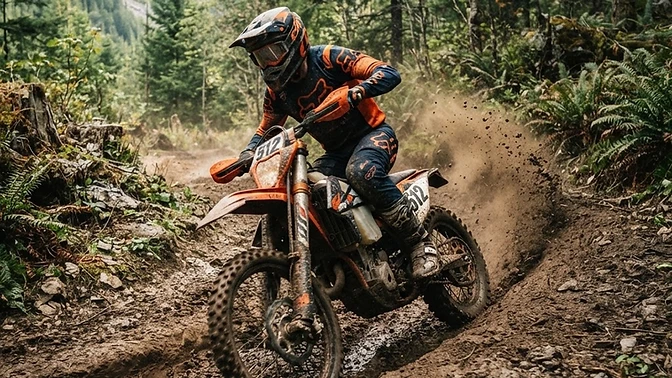
Master rutted corners by focusing on vision, body position, and smooth throttle control to keep your bike planted and fast through the turn.
Cornering through a rut is a fundamental skill that separates casual trail riders from competitive enduro racers. By mastering the art of tracking a rut, you gain the ability to carry significantly more speed and maintain stability in technical terrain. This guide breaks down the exact techniques needed to turn ruts from a source of anxiety into your greatest advantage on the trail.
What It Is and Why It Matters
A rutted corner is essentially a pre-made track that guides your tires through a turn, provided you have the correct technique to stay within its walls. When you enter a rut correctly, the bike is locked into a path that offers maximum traction, allowing you to lean further and accelerate harder than you could on flat, loose ground. The challenge lies in the commitment required; if you hesitate or use improper body positioning, the bike will either climb out of the rut or stall, causing you to lose your balance and momentum.
Mastering this skill is vital because enduro courses are rarely perfectly groomed. Ruts form naturally in soft soil, mud, and sand, and they often become the fastest line through a corner. By learning to trust the rut and manage your inputs, you stop fighting the terrain and start using it to your benefit. This technique is about precision, vision, and the confidence to let the bike work for you rather than against you.
Step-by-Step Technique
- Scan and Commit — Before you even reach the corner, look well ahead to identify the best rut and spot your exit line. Your bike will naturally follow your eyes, so avoid looking down at your front wheel or the immediate entrance. Commit to your chosen line early, as last-second adjustments often lead to the bike climbing out of the rut.
- Optimize Body Position — Stand as long as possible while approaching the corner to maintain better control and visibility. As you enter the rut, transition to a seated position while keeping your weight centered or slightly forward to keep the front tire planted. Keep your outside elbow up and your head leaning into the turn to align your center of gravity with the bike's lean angle.
- Manage Your Feet — Resist the urge to drag your inside foot on the ground, as this shifts your weight off the pegs and destabilizes the bike. Keep both feet firmly on the balls of your pegs throughout the entire corner. If the rut is extremely deep, keep your inside leg high and tucked close to the shroud to avoid catching it on the rut wall.
- Control with the Front Brake — Use your front brake as a tool to control your lean angle and speed during the entry. A light, consistent drag on the front brake helps settle the suspension and keeps the front wheel tracking deep in the rut. Avoid sudden, heavy braking, which can cause the front end to wash out or the bike to stand up.
- Maintain Smooth Throttle — Consistency is the key to staying inside the rut walls. Avoid chopping the throttle or erratic bursts of power, as every time you accelerate, the bike wants to climb the wall, and every time you close the throttle, it drops deeper. Aim for a steady, neutral throttle that keeps the rear wheel driving forward without breaking traction.
- Weight the Outside Peg — Apply firm, consistent pressure to the outside foot peg throughout the turn. This action forces the bike's tires into the ground, increasing grip and helping the bike track through the arc of the rut. It also helps you maintain balance if the bike begins to slide or the rut becomes uneven.
- Execute the Exit — As you reach the apex and begin to see your exit, gradually roll on the power to drive out of the corner. Keep your eyes locked on the trail ahead to ensure a smooth transition back to normal riding. Once you have cleared the rut, return to your neutral standing position and prepare for the next obstacle.
2-Stroke vs 4-Stroke Differences
The primary difference between engine types in a rut lies in power delivery and engine braking. A 4-stroke provides significant engine braking, which can help settle the bike into the rut during entry but requires careful clutch management to prevent stalling. Conversely, a 2-stroke has minimal engine braking and a more aggressive power hit, meaning you must be more precise with your clutch finger to keep the engine in the meat of the powerband without spinning the rear wheel and climbing out of the rut.
5 Common Mistakes (and How to Fix Them)
1. Looking down at the front wheel instead of the exit.
Force your eyes to scan 20 feet ahead; your bike will naturally track where you look.
2. Putting the inside foot down in the rut.
Practice keeping both feet on the pegs by focusing on weighting the outside peg to maintain balance.
3. Chopping the throttle on and off.
Use a higher gear to smooth out the power delivery and keep the rear wheel driving consistently.
4. Sitting too far back on the seat.
Slide forward on the seat to keep weight on the front tire, which ensures the front wheel stays locked in the rut.
5. Tensing up your upper body.
Relax your grip on the bars and keep your elbows up to allow the bike to move underneath you.
Practice Drill You Can Do in Your Yard
Find a flat, soft area in your yard and create a shallow, curved rut using your tires. Practice riding through this arc repeatedly, focusing solely on keeping your feet on the pegs and your eyes on the exit. Once comfortable, increase your speed and lean angle, ensuring you maintain a smooth, constant throttle throughout the entire turn.
Motorcycle Setup & Tuning Notes
Ensure your suspension sag is set correctly, as a bike that sits too low or high will struggle to track accurately in a rut. Check that your lever positions are ergonomic, allowing you to reach the clutch and front brake with one or two fingers without compromising your grip. Slightly lower tire pressures can also increase the contact patch, providing the extra grip needed to stay planted in deep, soft ruts.
Frequently Asked Questions
Q: Should I stand or sit in a rutted corner?
You should stand as long as possible for better control, but sitting is often necessary in deep ruts to keep your center of gravity low and your weight on the pegs.
Q: What do I do if my bike starts to climb out of the rut?
Stay calm and avoid grabbing the brakes, which will make the bike stand up. Instead, look further ahead and apply more pressure to the outside peg to force the bike back down.
Q: Is it better to be in a higher or lower gear?
A higher gear is generally better because it smooths out the power delivery, preventing the rear wheel from spinning and climbing out of the rut.
Q: How do I stop my foot from hitting the rut wall?
Keep your inside leg tucked tightly against the bike's shroud rather than dangling it out. If the rut is very deep, keep your foot on the peg at all times.
Relevant Bike
KTM 350 EXC-FTrack your progress and join the community
Create a free account to save the technique guides you've mastered, make race predictions, play trivia, and connect with enduro riders worldwide.